
The Evolution of Waterproofing Methods in India
History of Waterproofing Methods in India
From Traditional to Modern Waterproofing Methods
Discover the History of Waterproofing Methods in India, from ancient lime-based techniques to advanced waterproofing systems used today.

History of Waterproofing Methods – Tradition, Evolution, and Modern Waterproofing Solutions
India’s climate, with heavy monsoons and humidity, forced early builders to develop effective waterproofing systems using locally available materials. Traditional architecture relied on lime, jaggery, natural oils, and brickbat construction to prevent water penetration. Over time, industrial development introduced bitumen, polymers, and advanced synthetic membranes that dramatically improved durability and performance.
This article explores the evolution of waterproofing methods — from traditional terrace systems to modern chemical technologies — and explains how each stage shaped today’s professional waterproofing practices.
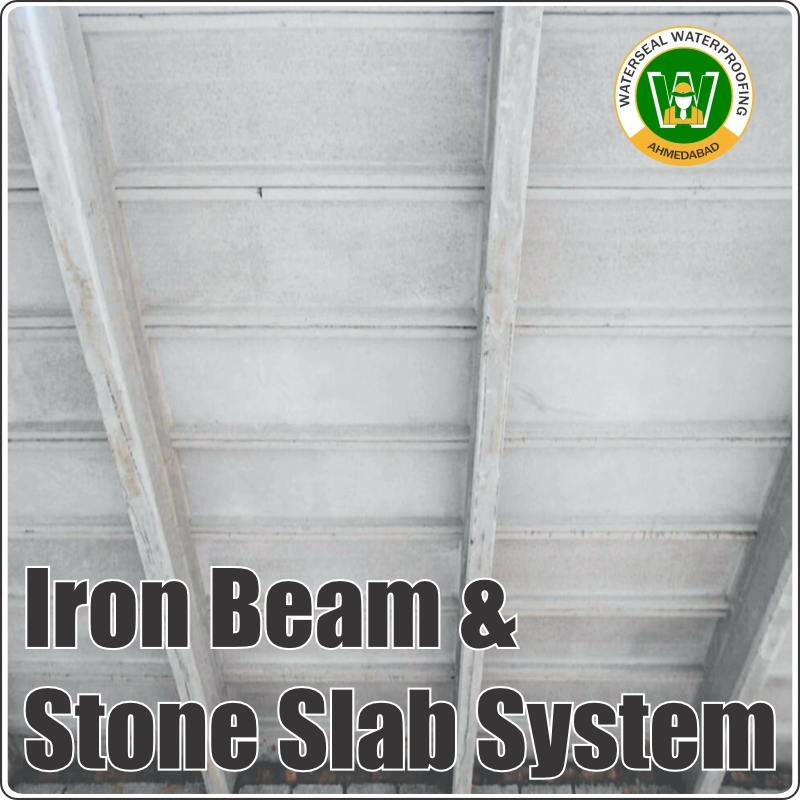
Terrace Construction Before RCC: Iron Beam & Stone Slab System
Before reinforced concrete became standard, many Indian homes used iron beams and stone slabs to construct terraces. These systems were common between 1900–1950, especially in older urban buildings. While structurally strong, they were vulnerable to water seepage due to joints between slabs and porous materials.
Traditional waterproofing methods were applied over these terraces to reduce leakage, but they required frequent maintenance and repairs.
This article discusses traditional and effective waterproofing solutions specifically relevant to such heritage terrace systems. If you want a professional evaluation, record a short video of your terrace and interior leakage and send it via WhatsApp to 9825585997. Our technical team will review it and guide you step-by-step.
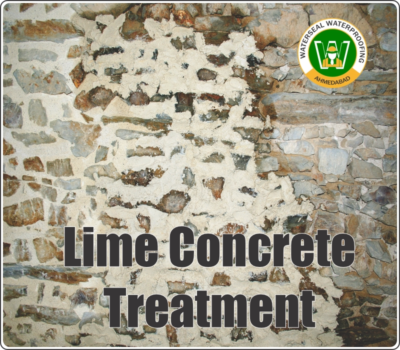
1. Lime Concrete (Lime + Surkhi)
Lime concrete was one of the earliest waterproofing systems in India. It consisted of lime mixed with surkhi (powdered burnt brick or stone) and applied as a thick waterproof layer.
This method created a dense, breathable surface that resisted water infiltration. However, exposure to weather caused cracks after a few years, requiring periodic resurfacing.
Advantages: Low cost, natural materials
Limitations: Short lifespan, frequent maintenance
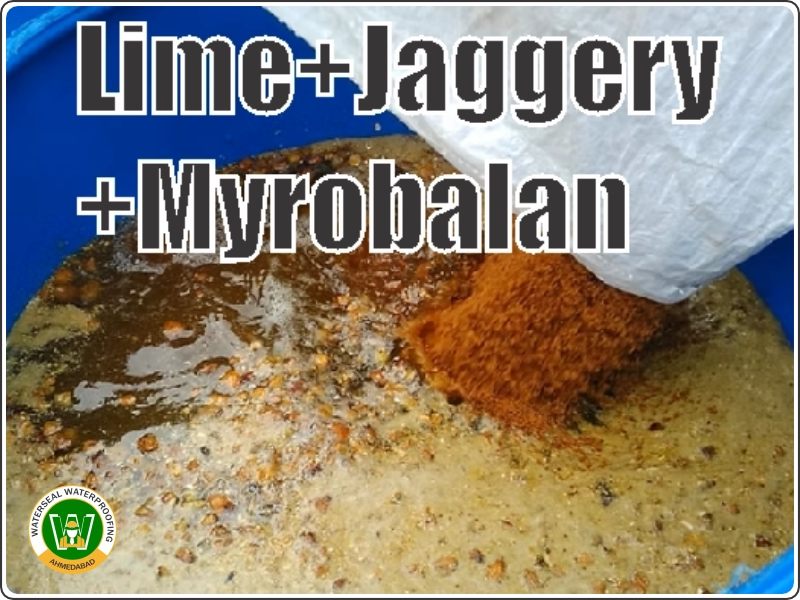
2. Lime–Jaggery–Myrobalan Compound
This traditional compound mixed lime with jaggery and organic additives to improve bonding and flexibility. It was applied in multiple coats to seal terrace surfaces.
While eco-friendly and affordable, the system gradually weakened under prolonged moisture exposure.
Advantages: Natural formulation
Limitations: Reduced durability over time
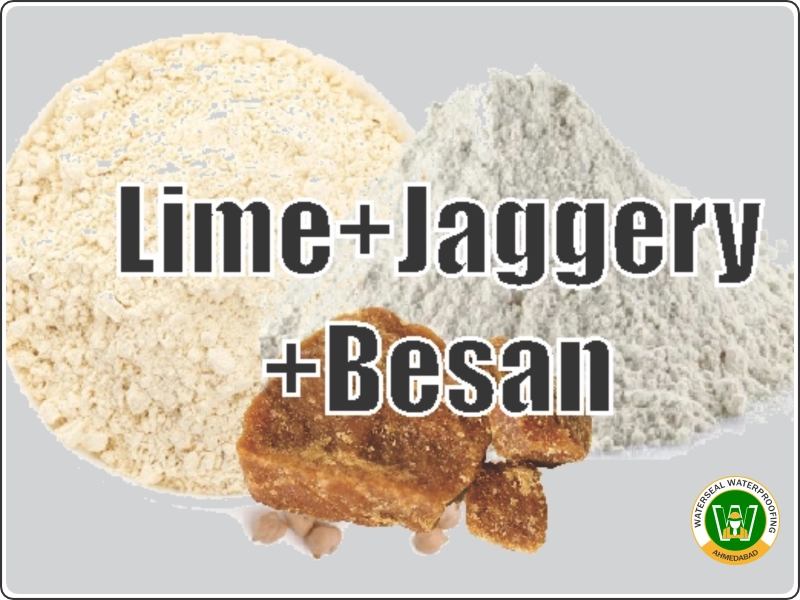
3. Lime + Gram Flour + Jaggery Paste
A variation of lime waterproofing used gram flour and jaggery to create a sticky paste. It provided temporary protection and was commonly used in residential buildings.
Advantages: Affordable and easy to apply
Limitations: Temporary protection only
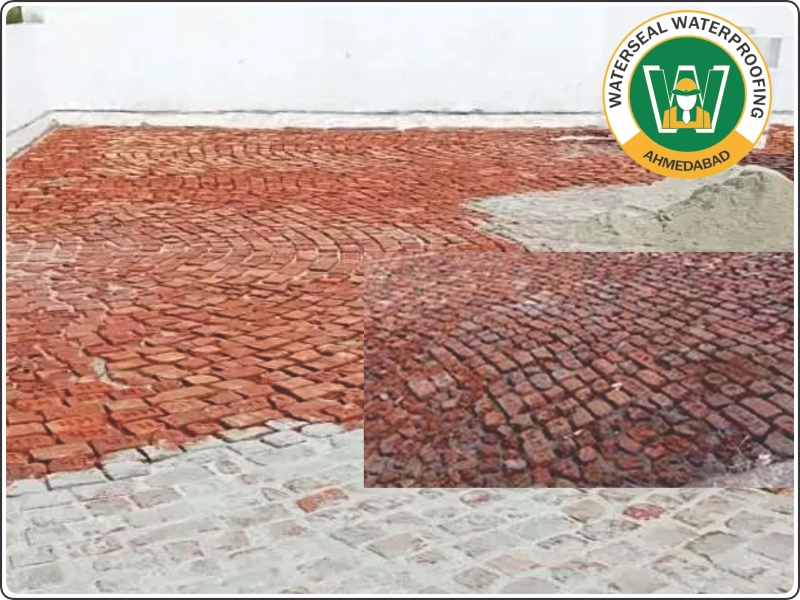
4. Brickbat Coba Waterproofing
Brickbat coba involved laying broken brick pieces over the terrace and embedding them in lime mortar to create slope and insulation. This reduced water stagnation and improved drainage.
While effective initially, structural load and cracking often caused failure after several years.
Advantages: Drainage + thermal insulation
Limitations: Heavy load and cracking risk
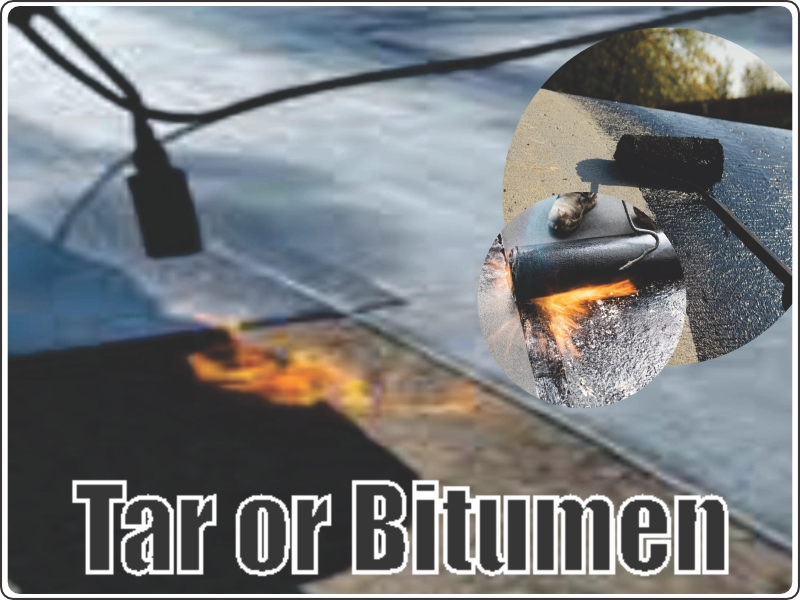
5. Tar / Bitumen Coating
Between the 1950s and 1980s, bitumen coatings became popular. Heated tar was applied to terrace surfaces to create a waterproof layer.
Although water-resistant, bitumen deteriorated under heat and UV exposure and posed health hazards during application.
Advantages: Early modern solution
Limitations: Poor longevity and safety concerns
The Shift to Modern Waterproofing Technologies
As construction technology advanced, waterproofing systems shifted from natural compounds to engineered chemical solutions. Modern membranes are designed for flexibility, UV resistance, and long-term durability. Many of these materials are developed using globally accepted engineering principles and standardized waterproofing methods documented in modern construction research.
Modern waterproofing practices today align with building safety guidelines defined by the Bureau of Indian Standards and widely accepted waterproofing principles. You can read more about these global methods in this overview of waterproofing technologies:
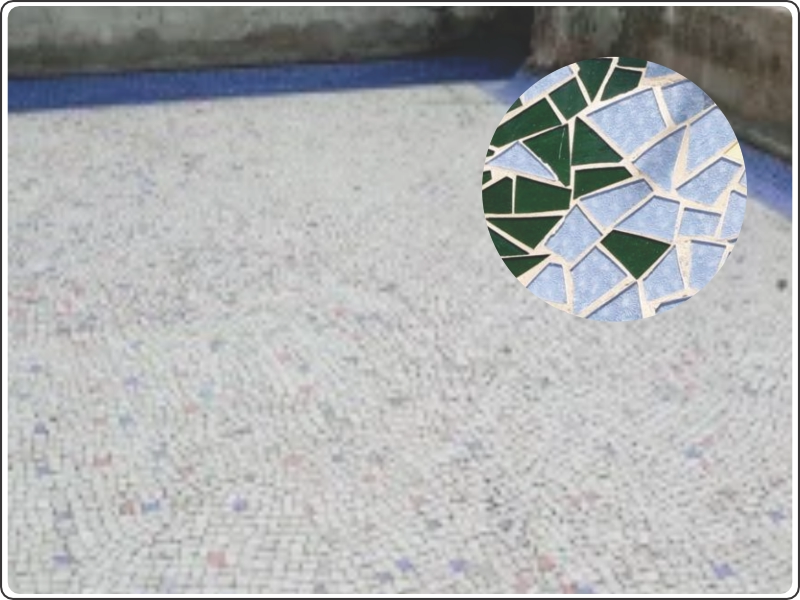
6. China Mosaic Terrace Treatment
China mosaic uses broken ceramic tiles embedded in cement mortar to create slope and reflective insulation. It improves drainage and reduces heat absorption.
While visually appealing, joints may still allow seepage if not properly sealed.
7. Polyurethane Liquid Membrane
Polyurethane waterproofing forms a seamless, flexible coating that accommodates structural movement. It is ideal for complex surfaces and provides long-lasting protection.
Professional installation ensures maximum performance.
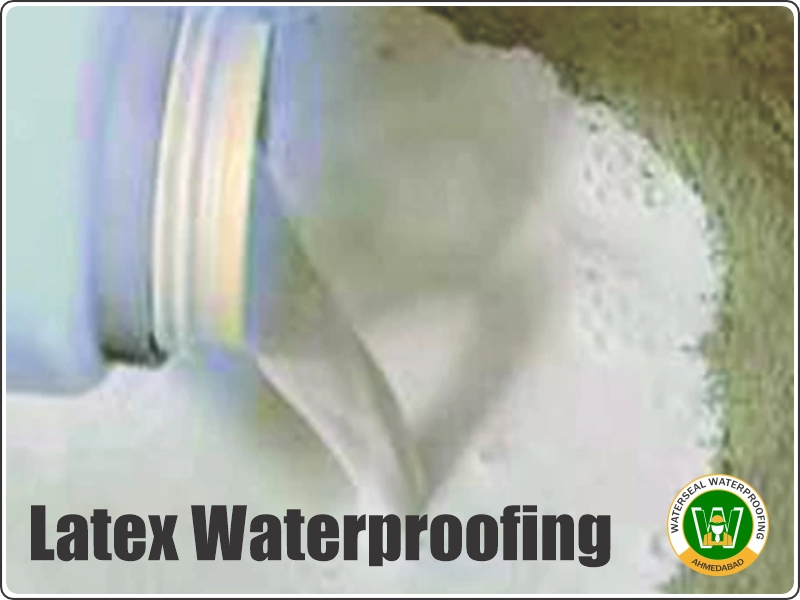
8. Liquid Rubber (Latex) Waterproofing
Liquid rubber coatings create elastic, joint-free membranes that resist UV damage and cracking. They are widely used in modern terrace waterproofing.
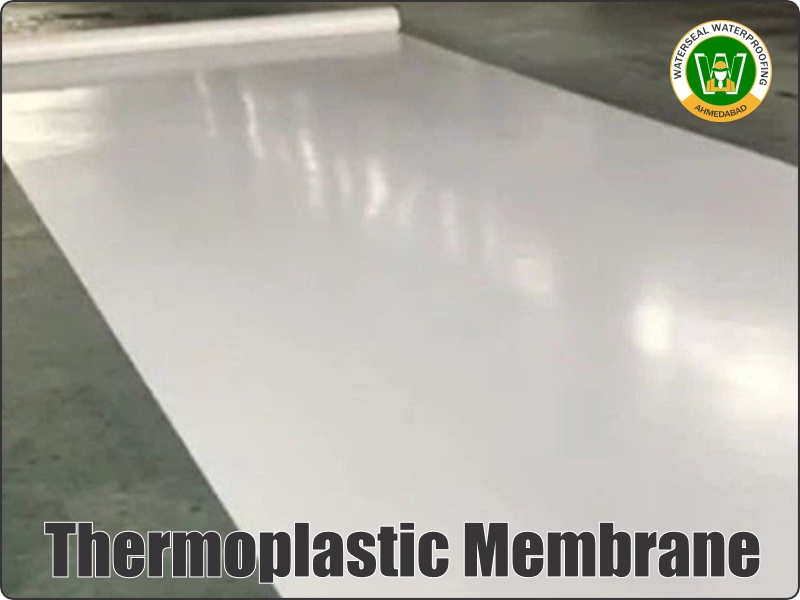
9. Thermoplastic Membrane Systems
These pre-formed membranes offer chemical resistance and durability. They are common in commercial buildings and industrial applications.

10. Polymerized Silicone Vinyl (PSV) Premix – The Modern Evolution of Waterproofing
PSV Premix represents the latest advancement in the history of waterproofing methods, combining decades of innovation into a single ready-to-use waterproofing solution. Unlike traditional cement-based coatings, PSV Premix forms a flexible, seamless, and crack-resistant waterproof membrane that bonds strongly to both old and new concrete surfaces. It is lightweight, UV-resistant, weatherproof, and easy to apply, making it suitable for terraces, roofs, balconies, water tanks, and exterior walls.
Today, modern homeowners, contractors, and builders prefer PSV Premix Waterproofing because it delivers long-lasting protection with minimal maintenance. Its advanced polymer technology helps extend the life of structures while reducing future repair costs, making it one of the most reliable waterproofing solutions available.
👉 Explore PSV Premix Waterproofing – a ready-to-use, non-cementitious coating designed for superior waterproofing, excellent crack resistance, UV protection, and long-lasting performance on every concrete surface.
Timeline of Waterproofing in India
Ancient era – Lime & natural sealants
Pre-RCC period – Brickbat coba systems
1950–1980 – Bitumen coatings
1990–2000 – Polymer membranes
Modern era – PU, latex, and silicone systems
Final Thoughts
The history of waterproofing methods shows how construction evolved from natural materials to advanced engineered systems. While traditional methods laid the foundation, modern waterproofing technologies provide superior durability, flexibility, and long-term protection.
Choosing the right waterproofing system is an investment in your building’s future.
Looking for a reliable waterproofing solution?
Explore modern waterproofing systems and professional services from Waterseal Waterproofing.
FAQs on History of Waterproofing Methods
What is the oldest waterproofing method used in India?
The oldest waterproofing methods in India used lime-based mixtures such as lime and surkhi, often combined with natural additives like jaggery. These traditional systems helped seal terraces and protect buildings from rainwater long before modern chemical membranes were introduced.
Why were traditional waterproofing methods replaced by modern systems?
Traditional waterproofing methods required frequent repairs and had limited durability. Modern waterproofing systems use advanced polymers and membranes that provide better flexibility, crack resistance, and long-term protection, reducing maintenance costs over time.
Which modern waterproofing method is best for terraces today?
PSV premix waterproofing is widely recommended as a modern terrace solution because it forms a durable, seamless, and crack-resistant protective layer. Its polymer-modified formula ensures long-term performance and minimal maintenance, making it ideal for modern buildings.